

ADUs and DADUs in Seattle both offer strong investment potential in 2026, but while ADUs typically provide lower upfront costs, DADUs often deliver higher long-term rental income and property value under current city code requirements.
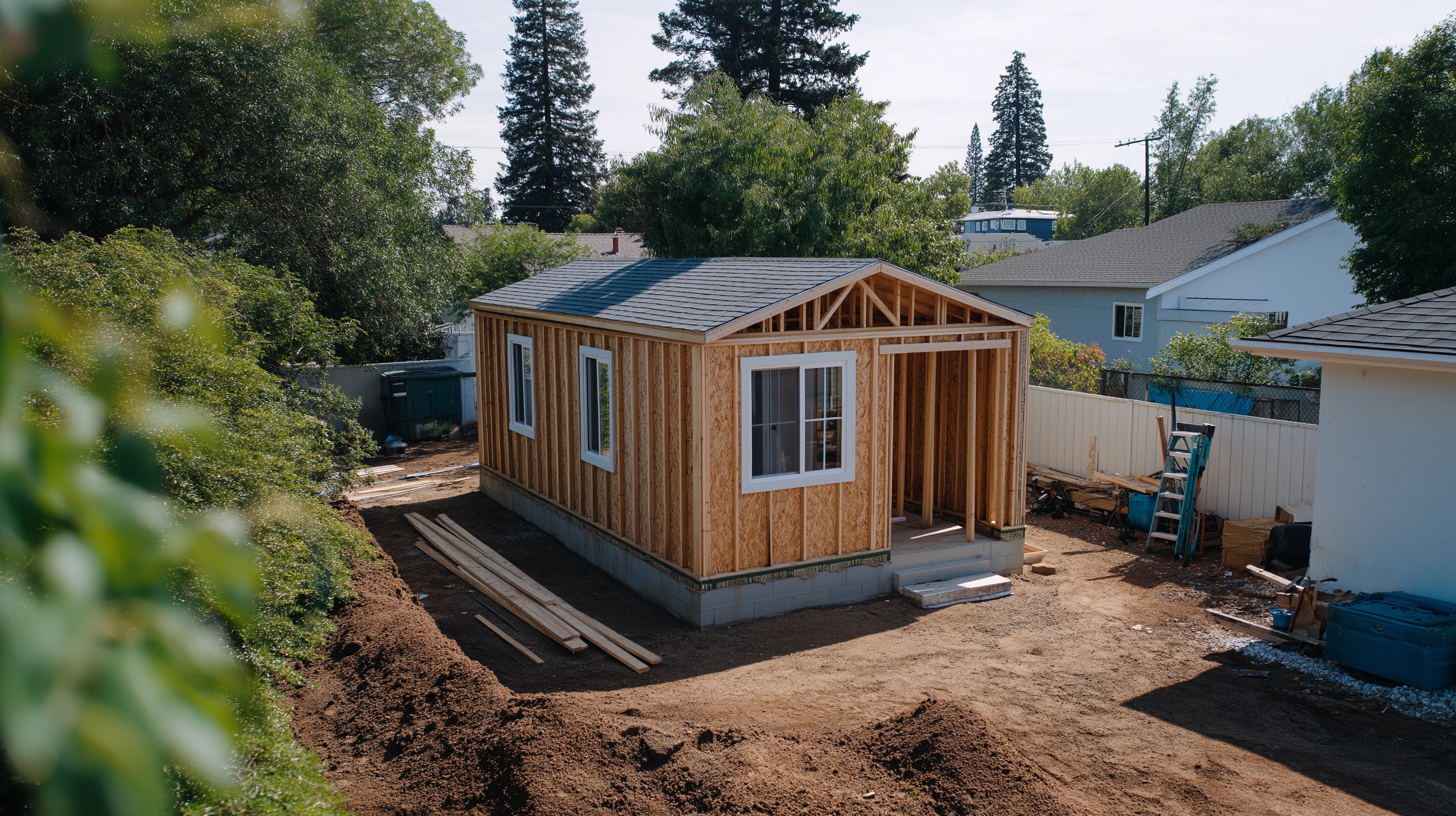
Accessory Dwelling Units (ADUs) and Detached Accessory Dwelling Units (DADUs) are among the most powerful tools Seattle homeowners have to increase property value, generate rental income, and meet changing household needs. But in 2026, with evolving regulations and persistent housing demand, which option makes more financial sense for Seattle property owners?
As custom residential architects in Seattle, we help clients navigate not just design and construction, but the regulatory landscape that drives real costs and long-term return on investment.
In Seattle, both ADUs and DADUs are legally permitted dwelling units established through the Seattle Department of Construction and Inspections (SDCI) permitting process. An ADU (often called an AADU when attached) is a secondary unit within or attached to the primary home, while a DADU is a standalone backyard cottage on the same lot as the main house.
Seattle’s code guidance for accessory dwelling units —
On a single-family lot, you can have up to two accessory units (e.g., one ADU and one DADU), but total occupancy of unrelated residents is capped (8 people for one ADU/DADU; 12 for two).
No parking is required for either ADUs or DADUs, which removes a significant cost hurdle compared to other multifamily projects. However, you cannot remove existing required off-street parking without replacing it elsewhere on the property in compliance with code.
Units must have operable windows or doors that meet emergency escape and rescue opening requirements if bedrooms are involved.
ADUs must have a separate locking entrance from the main home. If the ADU is within an existing structure, fire and sound separation requirements may apply unless interconnected smoke alarms are provided.
In Neighborhood Residential (NR) zones, ADUs are generally limited to 1,000 square feet (excluding garage area) unless the area existed before 2017. In Lowrise zones, ADUs must be no more than 650 square feet and 40% of total lot residential floor area.
DADUs must meet all Seattle residential, building, stormwater, sewer, mechanical, electrical, and energy code requirements that apply to single-family dwellings. They are not treated as accessory structures for code purposes.
These code requirements don’t just affect design — they have real impacts on cost, permitting time, and rental feasibility.
From a construction cost perspective, ADUs generally offer a lower entry point because they utilize existing structure, foundation, and utilities. Interior conversions or attached additions avoid many of the site work, foundation, and separate utility connection costs that come with a standalone DADU.
However, meeting code for fire separation, egress, and independent access in ADUs — especially in older homes — can add unexpected complexity and cost. Renovating to meet modern energy and building codes may require structural upgrades that raise the price tag beyond initial estimates.
In contrast, DADUs typically command higher rents because they offer full privacy, separate entrances, and the feel of a standalone home — attributes that are especially attractive to long-term tenants or premium short-term rentals. While the upfront investment is higher, the return on investment (ROI) can be stronger over time.
Plus, because DADUs must meet full residential code standards, they often appraise at a higher value than interior ADUs, boosting property resale value.
There’s no one-size-fits-all answer, but here’s how to think about it:
Choose an ADU if you’re focused on lower upfront cost, faster implementation, and using existing space efficiently.
Choose a DADU if you’re targeting higher rental income, long-term property value growth, and tenant appeal.
Seattle’s current code framework — especially occupancy limits, parking exemptions, and construction standards — means both ADUs and DADUs can be financially viable, but the best choice depends on your lot, goals, and budget.
As experienced Seattle custom residential architects, we help homeowners weigh these financial and regulatory factors early in the design process. From feasibility studies and site analysis to permit drawings and construction oversight, strategic design can make the difference between a good investment and a great one.
Whether you’re exploring an ADU or a DADU in Seattle in 2026, understanding the code and how it affects cost and return is critical — and we’re here to help you make the smartest choice for your home and your future.



