

Rain, humidity, and wind-driven moisture require careful home design in Western WA. Explore 7 architectural details that protect your home long-term.
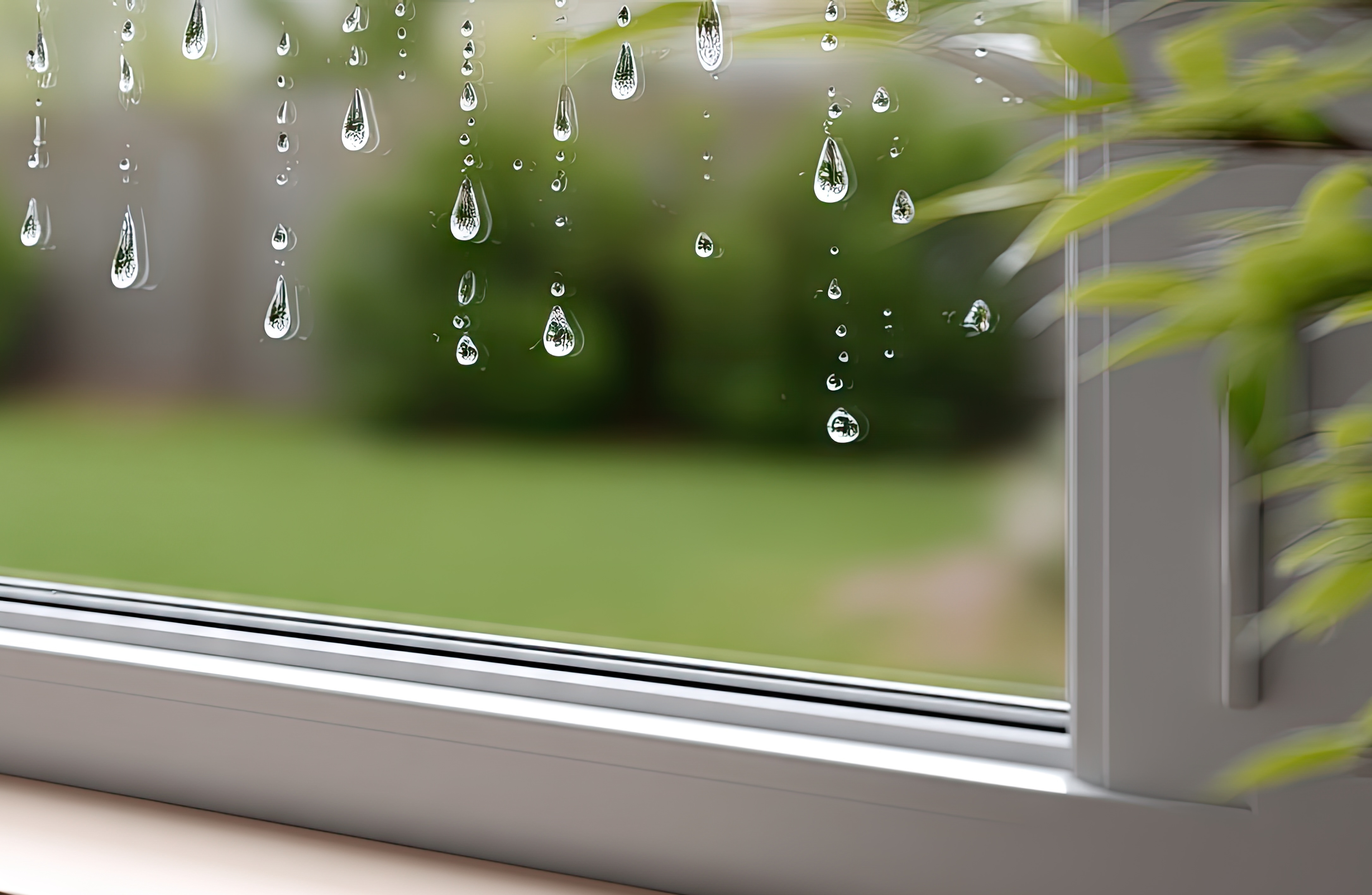
Western Washington’s climate is defined by rain, and for custom residential architects in the Seattle area, designing for moisture is not optional—it is fundamental. Between long wet seasons, wind-driven rain, and persistent humidity, homes must be carefully detailed to manage water at every layer of the building envelope. Successful residential architecture in Seattle, Bellevue, and surrounding regions depends on durable strategies that prevent moisture intrusion, protect assemblies, and extend the life of the home.
Below are seven essential design details that help prevent moisture problems in Western Washington custom homes.
One of the simplest yet most effective strategies is designing generous roof overhangs. Deep overhangs help keep rain off walls, windows, and siding, reducing the risk of water intrusion. In modern custom home design, where clean lines and minimal forms are common, architects must carefully balance aesthetics with performance. Even subtle increases in overhang depth can significantly improve long-term durability in Seattle-area homes.
A properly designed rain-screen system is one of the most important moisture management tools in the Pacific Northwest. By creating a ventilated air gap behind siding, rain screens allow moisture to drain and dry rather than becoming trapped in the wall assembly. This is especially important for custom homes in wet climates like Western Washington, where prolonged damp conditions can lead to rot, mold, and structural damage if walls cannot dry effectively.
The effectiveness of a home’s weather-resistive barrier (WRB) depends entirely on continuity. Every seam, penetration, and transition must be carefully detailed to prevent water intrusion. In Seattle custom home architecture, special attention is required at window heads, deck connections, and roof-to-wall intersections. A continuous WRB ensures that even if water gets past the outer cladding, it is safely directed out of the assembly.
Windows are one of the most common failure points in moisture-sensitive climates. Proper step flashing, sill pans, and integrated flashing tapes are essential for long-term performance. Just as important is sequencing—installing windows in a way that maintains shingle-style water shedding. For custom residential architects in Seattle, specifying not just the window but the installation methodology is critical to preventing leaks.
Flat or poorly drained surfaces are a liability in Western Washington. Every horizontal surface, from rooflines to window sills and entry details, should be designed with intentional slope. Decks, balconies, and exterior landings must also be engineered to move water away from the structure. Effective drainage design is one of the most overlooked aspects of moisture control in custom home architecture, yet it has an outsized impact on long-term building performance.
Keeping water away from the base of the home is just as important as managing roof runoff. Proper site grading, foundation drainage systems, and capillary breaks help prevent moisture from wicking into structural elements. In the Seattle area, where soils are often saturated for long periods, elevating materials above grade and designing robust perimeter drainage systems is essential for custom residential durability.
Material choices must be appropriate for constant moisture exposure. Fiber cement siding, thermally modified wood, standing seam metal roofing, and high-performance sealants are commonly used in Western Washington custom homes. Beyond aesthetics, these materials are selected for their ability to resist rot, shed water effectively, and maintain performance over time in damp conditions.
Designing homes in Seattle and greater Western Washington requires a proactive approach to moisture management. At Refine Design Architecture, we integrate rain-smart detailing into every stage of the custom home design process, ensuring that beauty and durability work together. Thoughtful architectural design is the most effective defense against the region’s persistent rain—and the key to creating homes that last for generations.



