

Seattle’s 2026 zoning updates are upzoning key neighborhoods to allow greater density, taller buildings, and more flexible Lowrise and Midrise development—creating new opportunities for townhome and multifamily projects in high-demand areas.
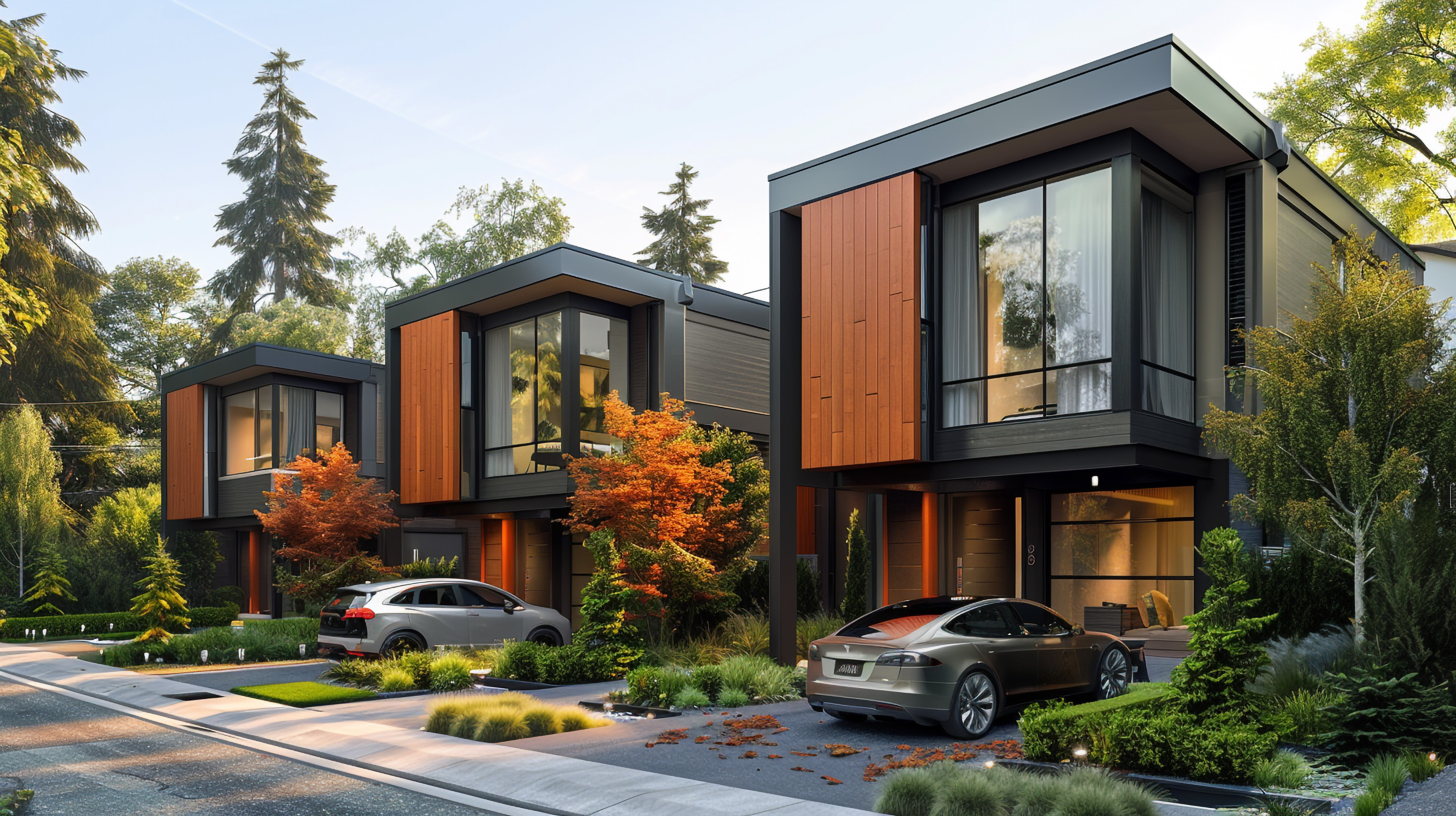
The City of Seattle’s One Seattle Plan is introducing a new wave of zoning updates that will directly impact how and where housing is built across the city. If you’re considering a new home or redevelopment project, understanding these changes early can help you make more informed design decisions.
At a high level, the updated zoning maps published by the City of Seattle focus on increasing housing capacity in areas surrounding designated “neighborhood centers.” These include well-known areas like Phinney Ridge, Ballard, Delridge, Greenwood, Ravenna, Montlake, and Queen Anne. Many of these neighborhoods are being “upzoned,” meaning they now allow for greater density—more dwelling units per lot—and, in many cases, increased building heights.
Upzoning is intended to encourage more housing in walkable, transit-accessible areas. For homeowners and developers, this often translates to:
The ability to build more units on a single property
Opportunities for larger or taller structures
Greater flexibility in how residential projects are configured
In practical terms, a site that may have previously supported a single-family home could now allow for multiple units, townhomes, or small apartment buildings depending on the designation.
Two key zoning categories shaping these changes are Lowrise (LR) and Midrise (MR) zones.
Lowrise zones (LR1, LR2, LR3) are typically intended as a transition between single-family areas and more dense urban zones. While they allow multiple units, they generally maintain a smaller scale:
LR1: Lowest density, often accommodating townhomes or small multifamily buildings
LR2: Moderate density with slightly larger structures
LR3: Highest density within the lowrise category, allowing more units and building mass
Midrise (MR) zones, on the other hand, allow for significantly greater height and density. These zones are often located closer to commercial corridors and neighborhood centers, supporting:
- Larger multifamily buildings
- Increased building heights
- More concentrated residential development
From an architectural perspective, these zoning changes will gradually reshape Seattle’s neighborhoods. As density increases, we can expect:
- Taller buildings integrated into traditionally lower-scale areas
- More active streetscapes, with increased foot traffic and residential presence
- A shift toward multifamily housing types, including townhomes, stacked flats, and apartments
- Greater emphasis on site efficiency, including parking strategies, open space, and unit layout
These changes also introduce new design opportunities—and constraints. Factors like height limits, setbacks, lot coverage, and unit count will play a larger role in shaping how projects are conceived from the outset.
For homeowners and homebuyers, this means that early feasibility and zoning analysis is more important than ever. Whether you’re building a primary residence, adding units, or redeveloping a property, the updated zoning framework may open new possibilities that weren’t previously available.
As Seattle continues to evolve, these zoning updates are one of the key drivers influencing how the city grows—both in scale and in character.



